Kids' Myopia: Not Just “Less Phone” – 5 Key Actions
Summer Eye Care · Science-based Prevention
⚠️ Early Myopia · Higher Risk of High Myopia
Prof. Song Hongxin, Chief Physician, Medical Optometry Center, Beijing Tongren Hospital: Myopia in younger children progresses faster and carries a higher risk of progressing to high myopia.
📌 Core strategy: "Early prevention, early intervention, control progression". Behavioral intervention is primary; medical tools are supplementary.
Many parents ask about "the best lenses" or "miracle drugs", but ophthalmologists emphasize: behavioral change comes first. Preventing myopia isn't just about "less phone time".

☀️ Golden Outdoor Time · Boost Hyperopia Reserve
Ensure at least 2 hours of daytime outdoor activity daily, more on weekends. Sunlight stimulates retinal dopamine release, effectively inhibiting axial elongation. Nighttime outdoor is ineffective.
🔆 Key: daytime outdoor, cumulative 2h, can be split.

📐 Correct Posture & Lighting
Strictly follow the "one fist, one foot, one inch" rule. Ensure sufficient ambient light, avoid backlight, dim light, or direct glare. At night, turn on both the room light and desk lamp.
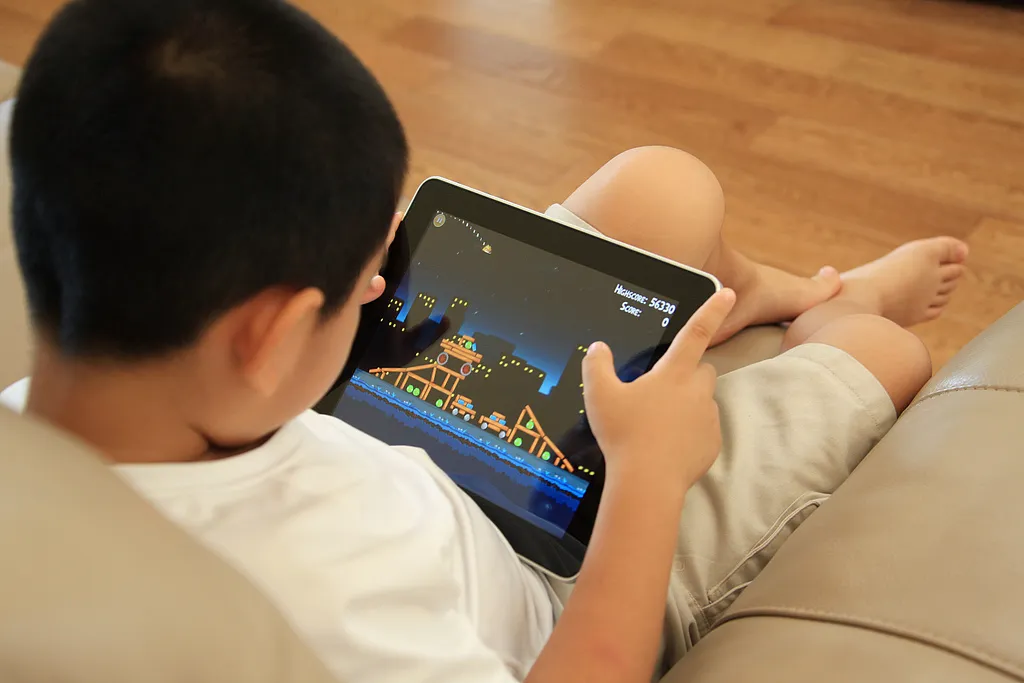
📱 Strict Screen Time Limits
- Under 3 years: No exposure to phones, tablets, or TV.
- Under 6 years: Single session ≤15 min, total ≤1 hour/day.
- School-age: After 30–40 min of near work, rest and look far for 10 min.
📵 For non-educational screen use: ≤15 min per session, ≤1 hour/day.
⏳ “20-20-20” Rule
Every 20 minutes of near work, look at an object 6 meters (20 feet) away for at least 20 seconds.

🧘 Relaxes ciliary muscles, relieves eye strain – simple and effective.
📋 Regular Monitoring · Catch Anomalies Early
Start a vision record at age 3, with professional eye exams and axial length measurements every six months.
If you notice squinting, head tilting, frequent eye rubbing, sitting too close to TV, or skipping lines while reading, see a doctor immediately to prevent pseudomyopia from becoming true myopia.
👀 Early detection and intervention are key to controlling myopia progression.
🎬 Expert Video
👆 Play · Expert from Tongren Hospital explains myopia control
📊 Content Analysis (within 500 words)
This article centers on childhood myopia prevention, backed by expert opinion (Prof. Song Hongxin, Tongren Hospital), emphasizing "behavioral intervention first". It highlights that early-onset myopia, due to unstable axial growth, is more likely to progress to high myopia, so the window for prevention is preschool and early primary school. Five actionable measures are detailed: daytime outdoor activity (dopamine stimulation), proper posture and lighting, tiered screen time limits, the 20-20-20 rule to reduce fatigue, and regular vision monitoring with records. The article also warns against common misconceptions: don't rely solely on "less phone", but adopt comprehensive behavioral management; myopia is irreversible, so prevention is better than correction. The information is authoritative, concrete, and highly actionable for parents during summer.
🧩 Core Solution, Execution & Acceptance
— Comments from parent communities, for reference.


💬 Parent Discussions · Comments