After entering the information age, more and more real-world interactions have been replaced by "screen interactions." In the past, you had to take a car or walk to distant places; today, just through a glowing screen, you can have a panoramic view of Mount Everest, the Gold Coast, or Mount Fuji. Especially for teenagers, many childhood running memories belonging to the post-80s and post-90s generations have been replaced by TVs, PCs, tablets, and smartphones.
All large and small screen devices emphasize resolution, brightness, and refresh rate on the hardware side, and intelligence, interaction, UI design, and content segmentation on the software side. Yet eye health topics always seem distant from consumers. While enjoying the convenience brought by screens, how many people truly recognize the potential hazards behind these "screens"?
Large‑screen eye protection is not yet a hot consumer concern
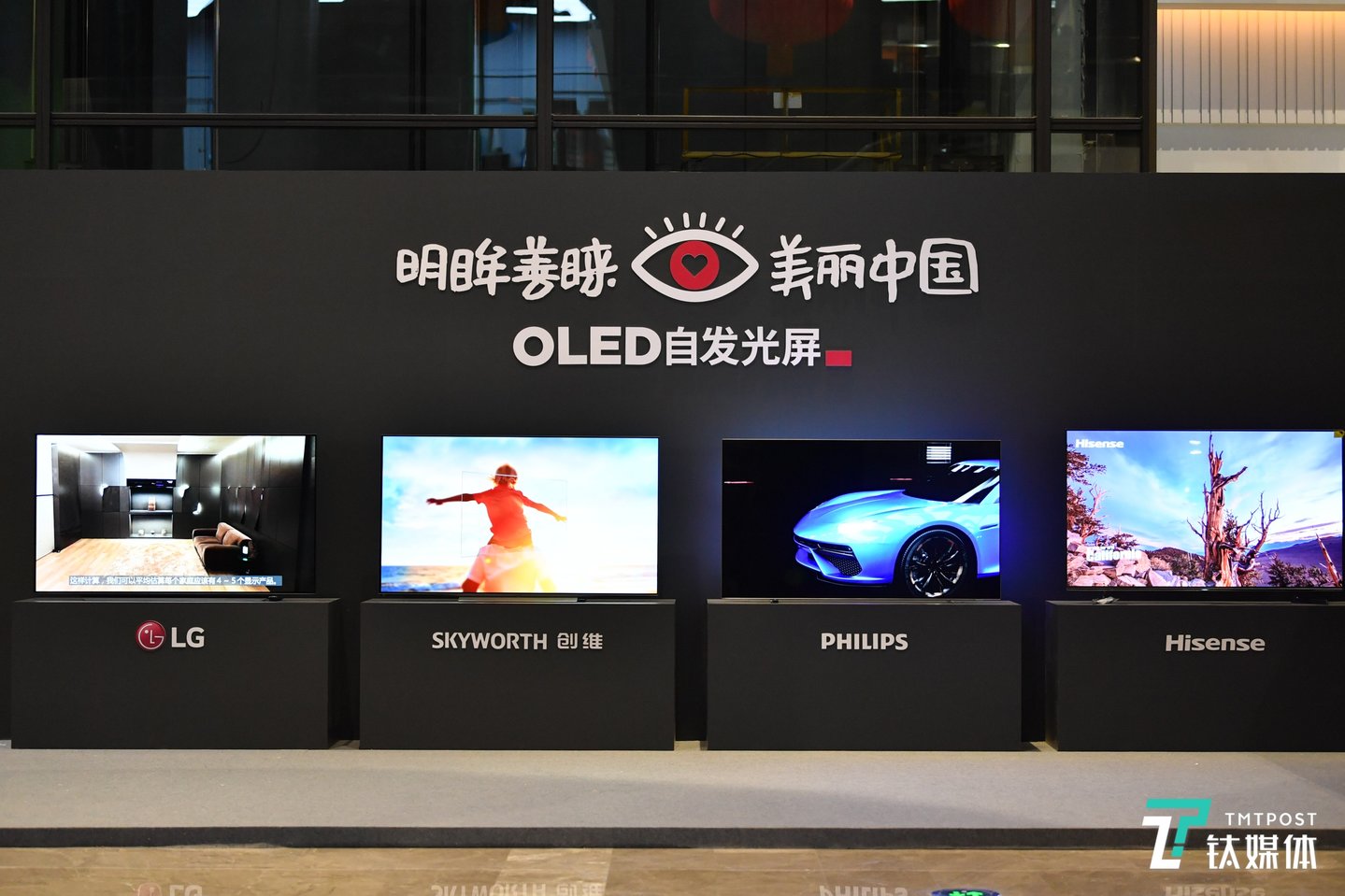
No technological development should come at the cost of health. In recent years, people have started paying attention to air pollution, water pollution, sleep health, and even wellness, yet it is hard to realize that we are being more and more tightly wrapped by screens. At an industry event, Hao Yabing, honorary president of the China Video Industry Association, made a remark that impressed the author: "Eye health is the prerequisite for the development of the display industry."
According to the latest statistics, the number of nearsighted people in China has reached 600 million, and the myopia rate among adolescents ranks first in the world. In 2018, the overall myopia rate for children and adolescents nationwide was 53.6%. Among them, the myopia rates for 6‑year‑olds, primary school students, junior high school students, and senior high school students were 14.5%, 36.0%, 71.6%, and 81.0% respectively. Fifteen provinces had myopia rates higher than the national average, and 24 provinces recorded rates exceeding 50%.
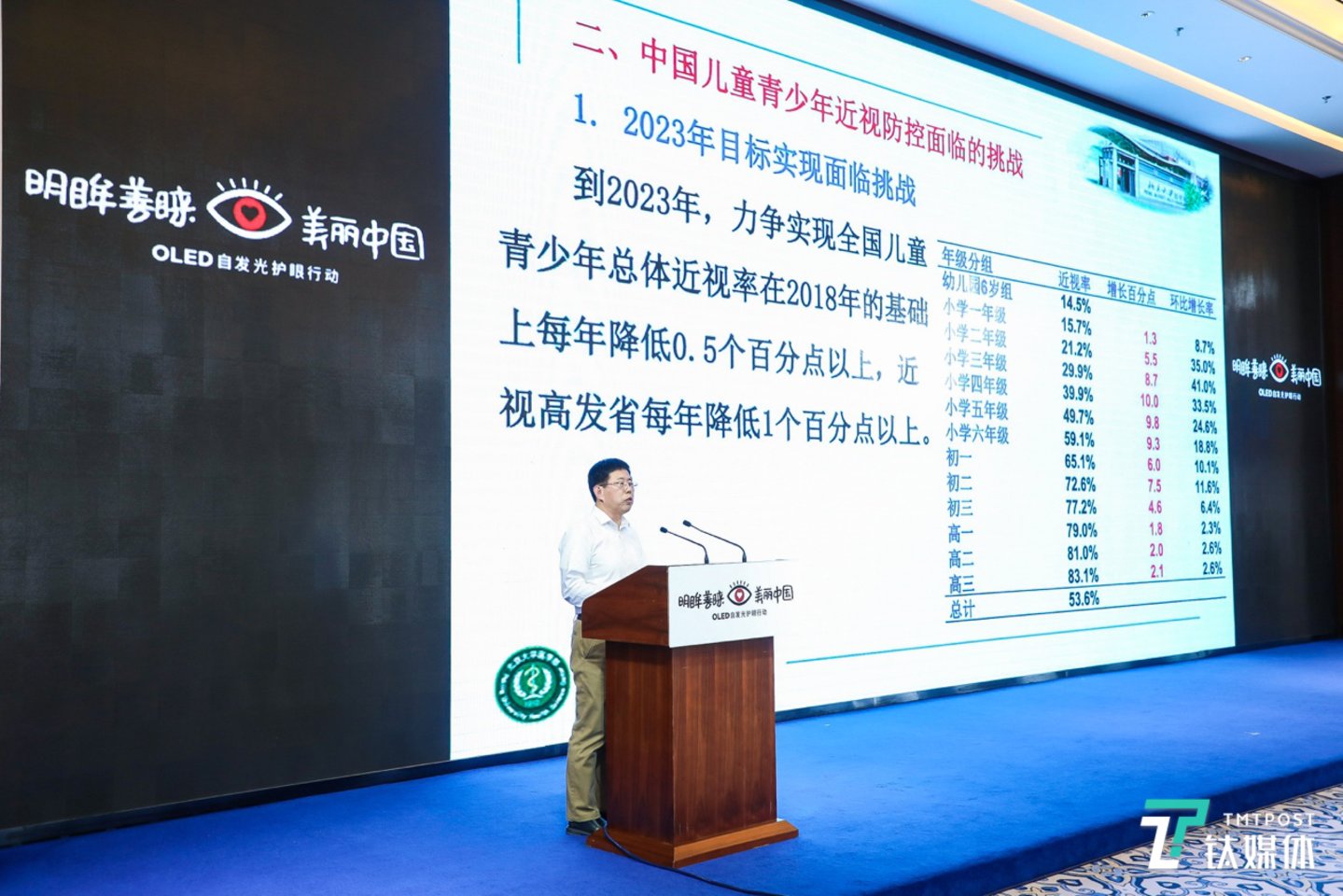
Especially this year, due to the impact of the pandemic, the booming online education has made many parents accept this form of distance learning. The convenience of communicating with teachers and solving problems at home is also why many parents choose this education method. The author noticed that during the pandemic, leading educational companies such as New Oriental, Xueersi, Zhangmen Yiduiyi, and Jingrui Education have been recruiting online teaching talent at a very fast pace.
However, this has also increased the amount of time students spend looking at screens. Screens, which used to be mainly for entertainment, have become both learning tools and entertainment devices. In this process, incorrect viewing distances, improper posture, and excessive screen time increase the burden on the eyes. According to statistics released by the Ministry of Education, the myopia rate of primary and secondary school students increased by 11.7% from January to June this year compared with the same period in 2019, among which the myopia rate of primary school students increased by 15.2%.
In contrast, when consumers choose TV products, the importance of "eye protection" is often ranked after size, picture quality, and performance. According to a survey jointly released by Health Times and LG Display, only 28% of consumers include "eye protection" among the factors they consider when purchasing a television.
In terms of eye protection, various auxiliary hardware, methods, and policies have emerged, such as increasing the frequency of eye exercises and supervision at schools, adding eye‑care modes and children's modes to TVs and mobile phones. Even in many smartphone launches and product introductions in the past two years, the German TÜV Rheinland eye protection certification has become a buzzword, but it is still far from being popularized in all display hardware.
OLED display technology is not a panacea, but it has advantages compared with traditional LCDs
It should be said that before a display hardware that causes zero harm to the eyes is developed, the contradiction between screen use and eye protection will be a long‑term challenge in terms of technological development and health habits. Taking large‑screen display devices such as TVs as an example, the most dominant technology currently is LCD, while in recent years OLED, projection displays, ULED and others have gradually emerged.
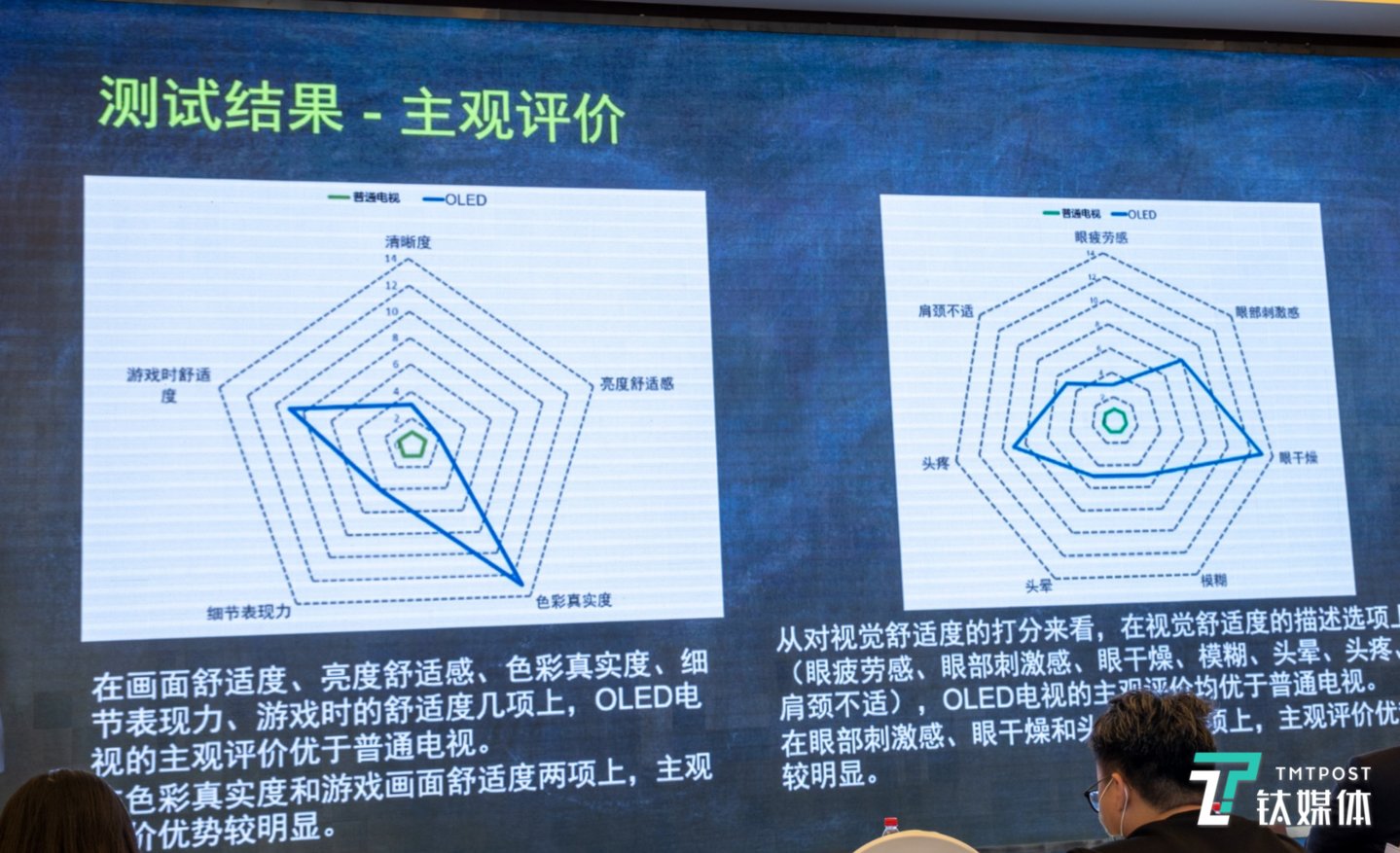
While improving display size, color, and picture quality, these new technologies have also made more progress in eye protection. According to test results from the Digital Technology Research Center of the China Electronics Standardization Institute, high‑brightness display content and fast‑moving content are more likely to cause visual discomfort.
In comparative tests between OLED displays of the same size and other display screens, OLED screens, thanks to their self‑emissive structure, offer more controllable brightness and can achieve better contrast without relying on high brightness. At the same time, in terms of response speed for fast‑moving objects, such as a football being kicked, OLED screens show much less motion blur compared to LCDs that use local dimming technology.
Moreover, OLED screens perform better in suppressing harmful blue light. Therefore, in comparative evaluations, OLED demonstrates superior anti‑fatigue performance for the eyes. To further clarify OLED's eye protection capabilities to the market, LG Display, as the world's largest OLED upstream manufacturer, jointly launched the "OLED Self‑luminescent Eye Protection" public welfare initiative with the China Video Industry Association and the China Youth Development Foundation. It is reported that more OLED TV manufacturers, channel partners, and other companies will join the initiative in different forms.
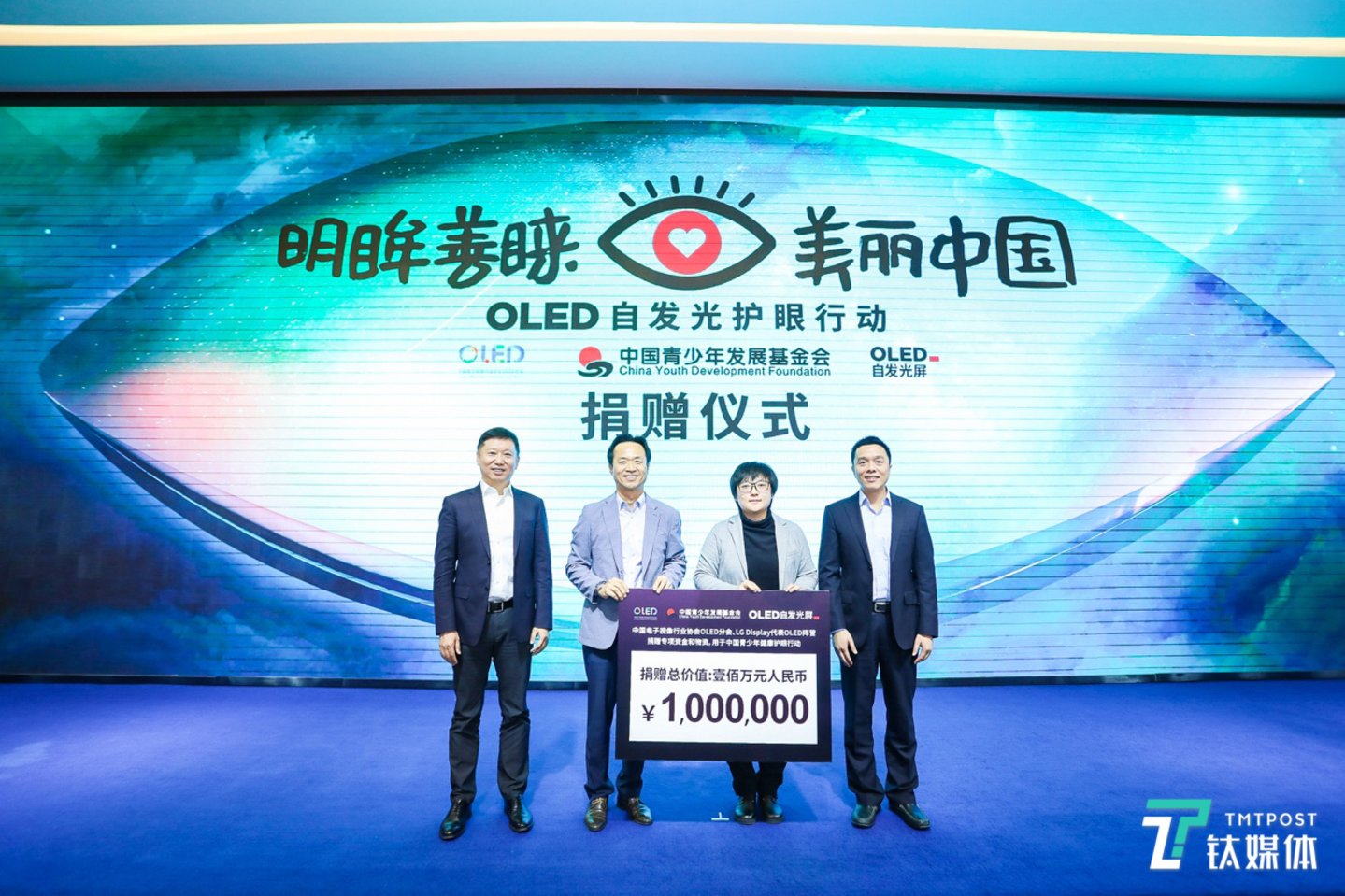
Currently, the project has raised RMB 1 million worth of funds and materials, including RMB 500,000 for eye health checkups for students in 20 underprivileged schools through the Hope Project, and an additional RMB 500,000 worth of visual health equipment. At the same time, a series of health technical specifications have been released, including visual fatigue testing and evaluation methods, low blue light technical requirements for displays and mobile terminals, and low flicker technical requirements.
It is important to note that OLED display technology is not a panacea. For consumers, an OLED TV does not mean "zero eye damage." Eye protection needs to be carried out from four dimensions simultaneously. First, pay attention to eye rest, daily routines, and arranging proper outdoor activities to relax the eyes; second, choose the appropriate product size and try to avoid children relying on small‑screen devices – make full use of large‑screen displays at home to control the viewing distance and achieve better clarity.
When selecting display products, you should have some understanding of technologies and certifications, such as the product's eye protection certification, and, within your budget, consider displays with lower blue light emission. (First published on TMTpost APP, author: Deng Jianyun, editor: Xiang Ou)