
For consumers with poor eyesight who need to wear glasses, the accuracy and reliability of optometry and dispensing are crucial. The State Administration for Market Regulation recently formulated the "Compliance Requirements for Metrology Behavior of Spectacle Manufacturers", which began public consultation yesterday (3rd). What problems does this new regulation mainly address? How can consumers choose glasses with confidence?
Reporters learned that the new regulation is designed to solve prominent problems in the current spectacle manufacturing industry.
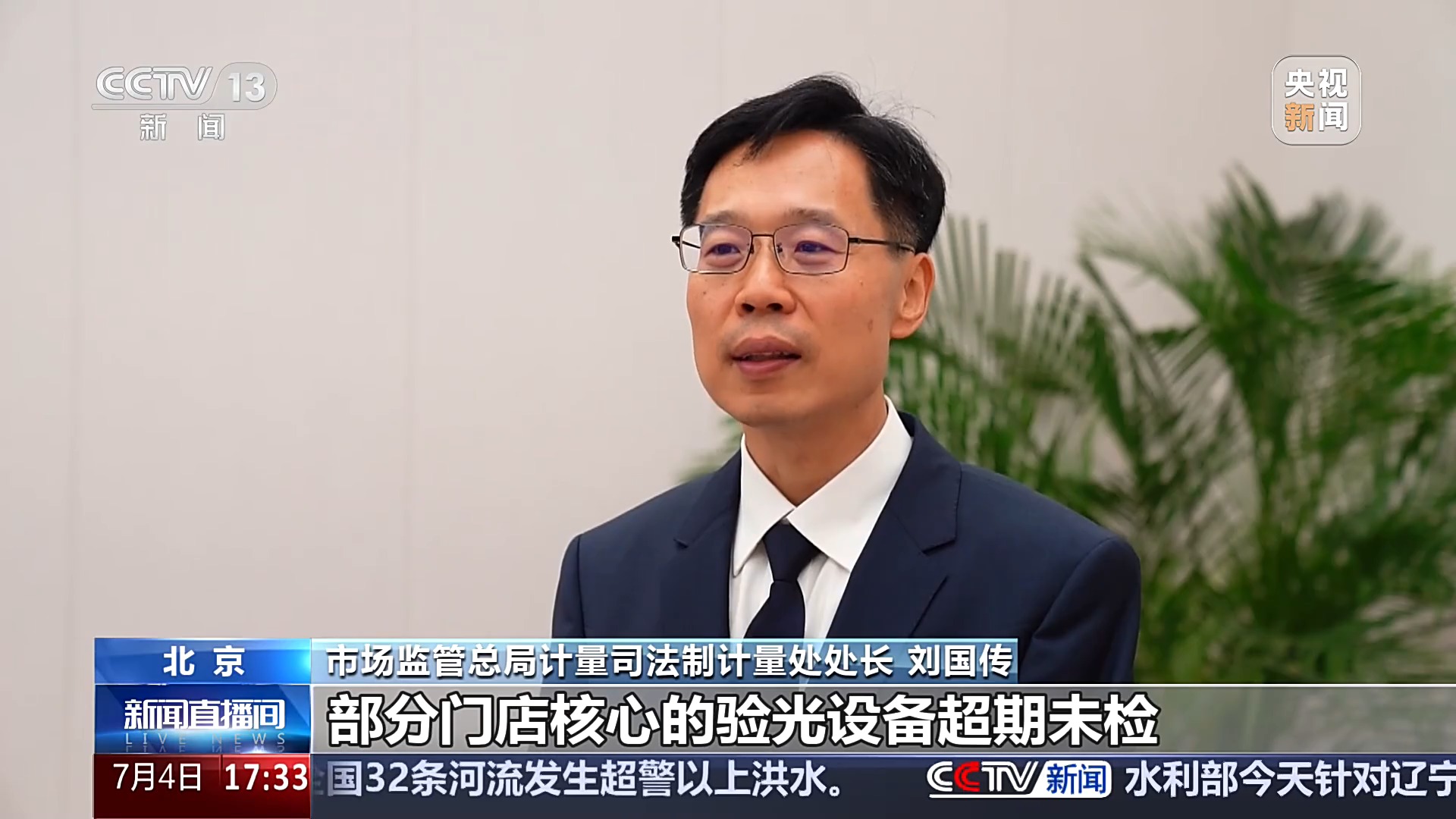
Liu Guochuan, Director of Legal Metrology Division, Metrology Department, SAMR: For a long time, the key complaints and industry pain points have been: first, measuring instruments “working sick” – core optometry equipment in some shops is overdue for verification, unverified or unqualified, yet still used, causing hidden inaccuracy from the very beginning.
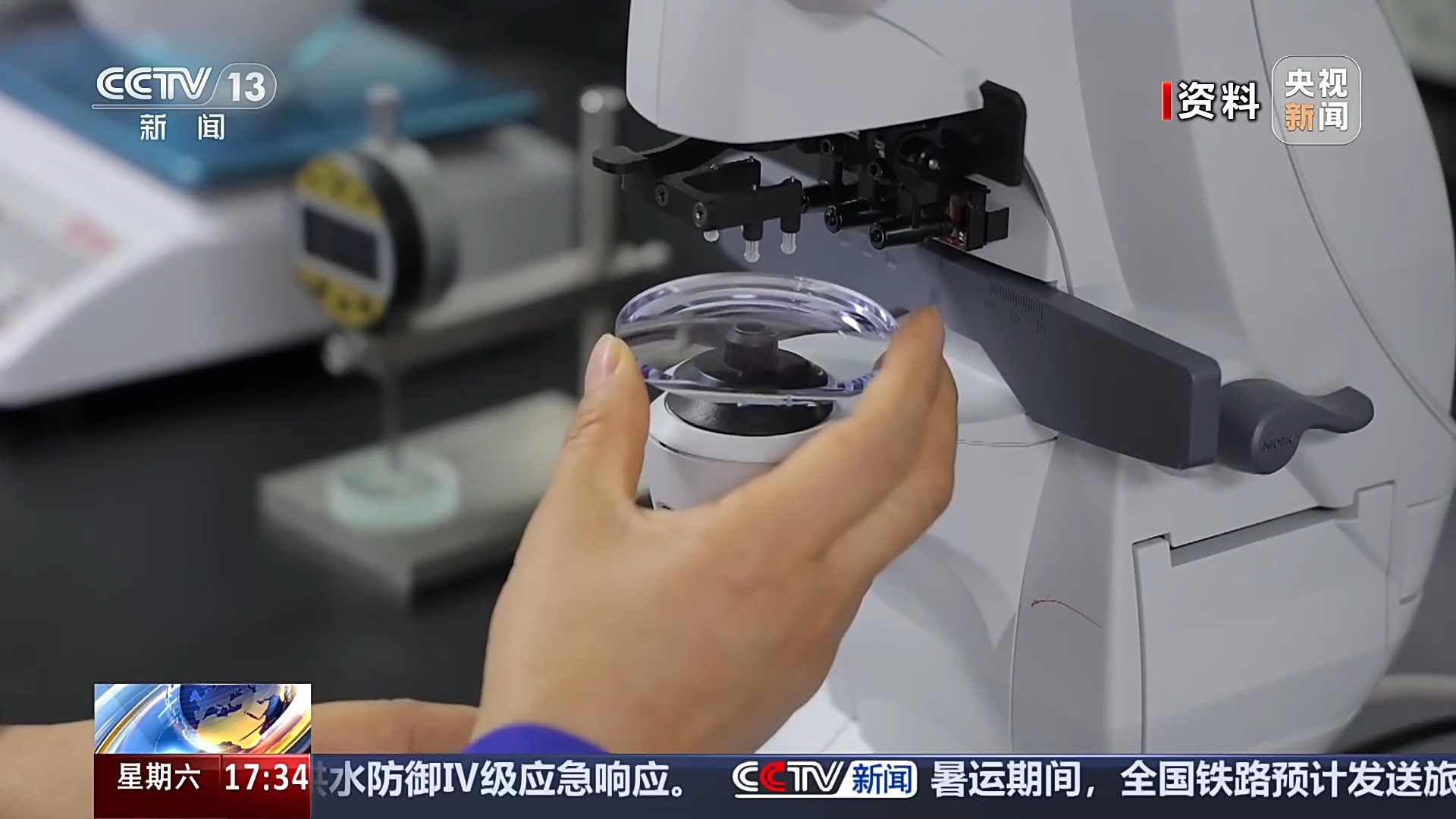
Optometry equipment is the “fair scale” for vision testing. Inaccurate instruments can harm consumers, especially children.
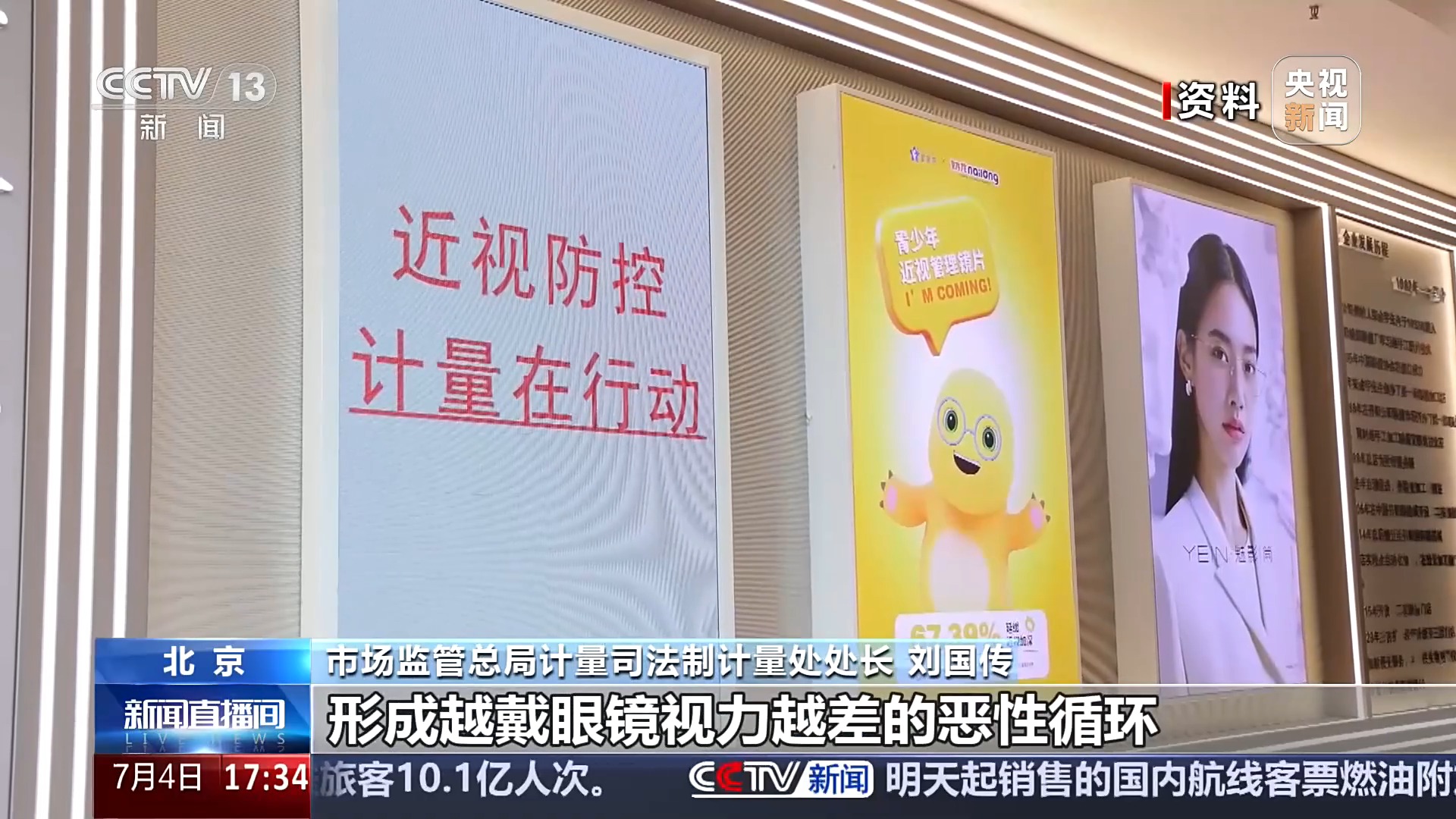
Liu Guochuan: For children and adolescents whose eyes are still developing, wearing metrologically unqualified glasses for a long time can lead to continuous vision decline, or even induce strabismus and amblyopia, missing the best correction window and forming a vicious cycle of “the more you wear glasses, the worse your vision gets”.
According to the draft regulation, optical shops must implement full-process closed-loop management of optometry equipment, ensuring “one ruler from purchase to maintenance”, so that every device is traceable and accountable.
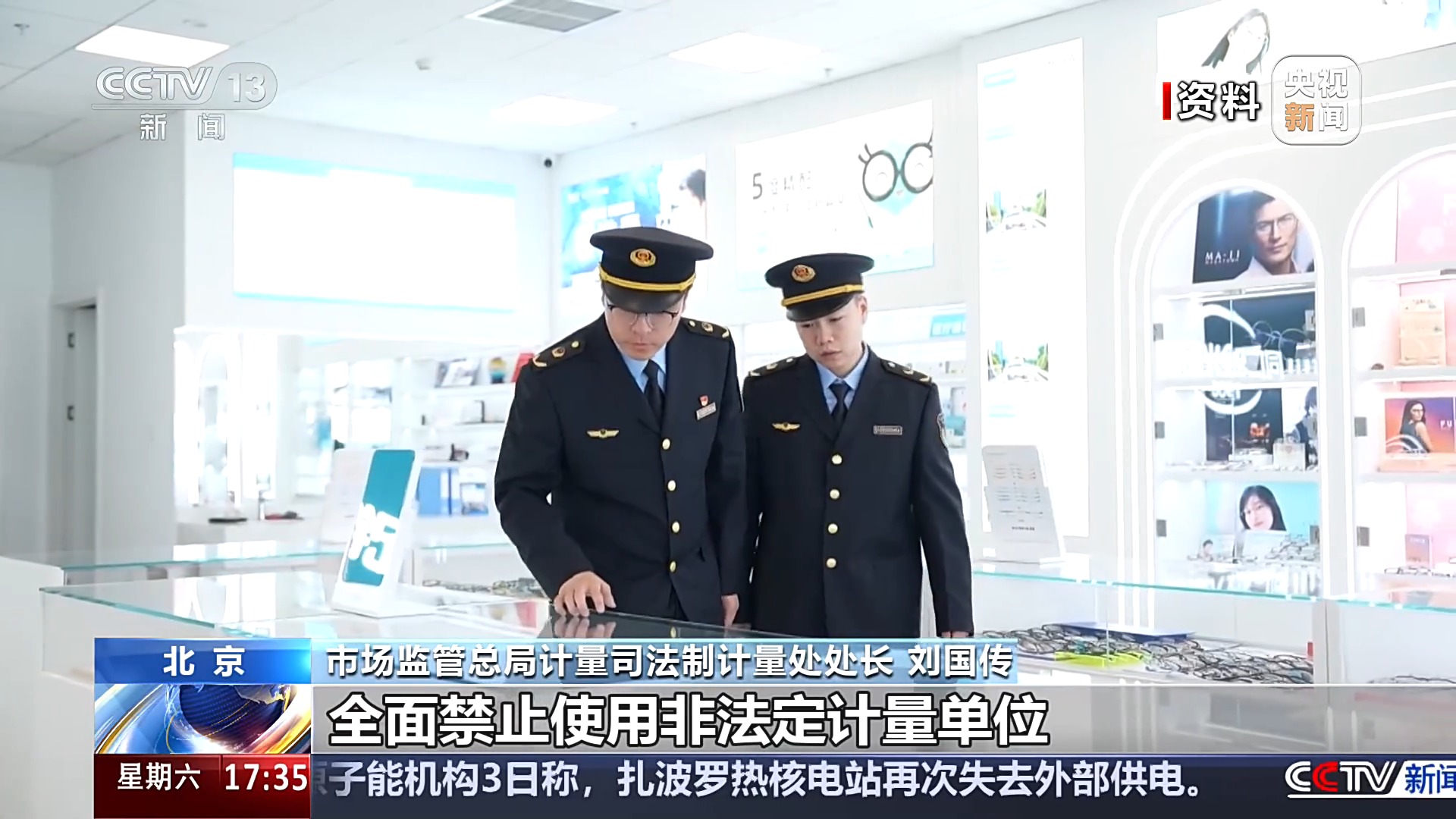
Liu Guochuan: All shops engaged in optometry and dispensing must be equipped with the four core metrology instruments: focimeter, optometer, trial lens set, and pupillometer – none is dispensable. Core equipment must be purchased from products holding a metrology type approval certificate. Shops must keep copies of the certificate and purchase contracts for inspection. It is strictly forbidden to purchase or use measuring instruments without type approval certificates, or with inconsistent certificate information. The use of non-statutory measurement units and corresponding instruments is completely prohibited.
Reporters learned that the draft requires optical shops to have certified professionals and regular training, and to provide differentiated, checklist-based requirements for equipment and procurement according to business type and service. In the future, consumers can avoid traps through five steps: “check qualifications, inspect equipment, verify labels, question staff, keep receipts”.
- First, check business qualifications – reject “no-name shops”. Prefer shops that publicly display their business license and include optometry and dispensing in their scope. Stay away from简陋 premises, missing licenses, or mobile stalls.
- Second, check equipment against the list – verify if the standard set is complete. According to your type of glasses: for regular frames, confirm the shop has focimeter, optometer, trial lens set, and pupillometer; for contact lenses, check for keratometer; for sunglasses, look for visible light transmittance meter and lens thickness gauge. If any equipment is missing, give up that shop.
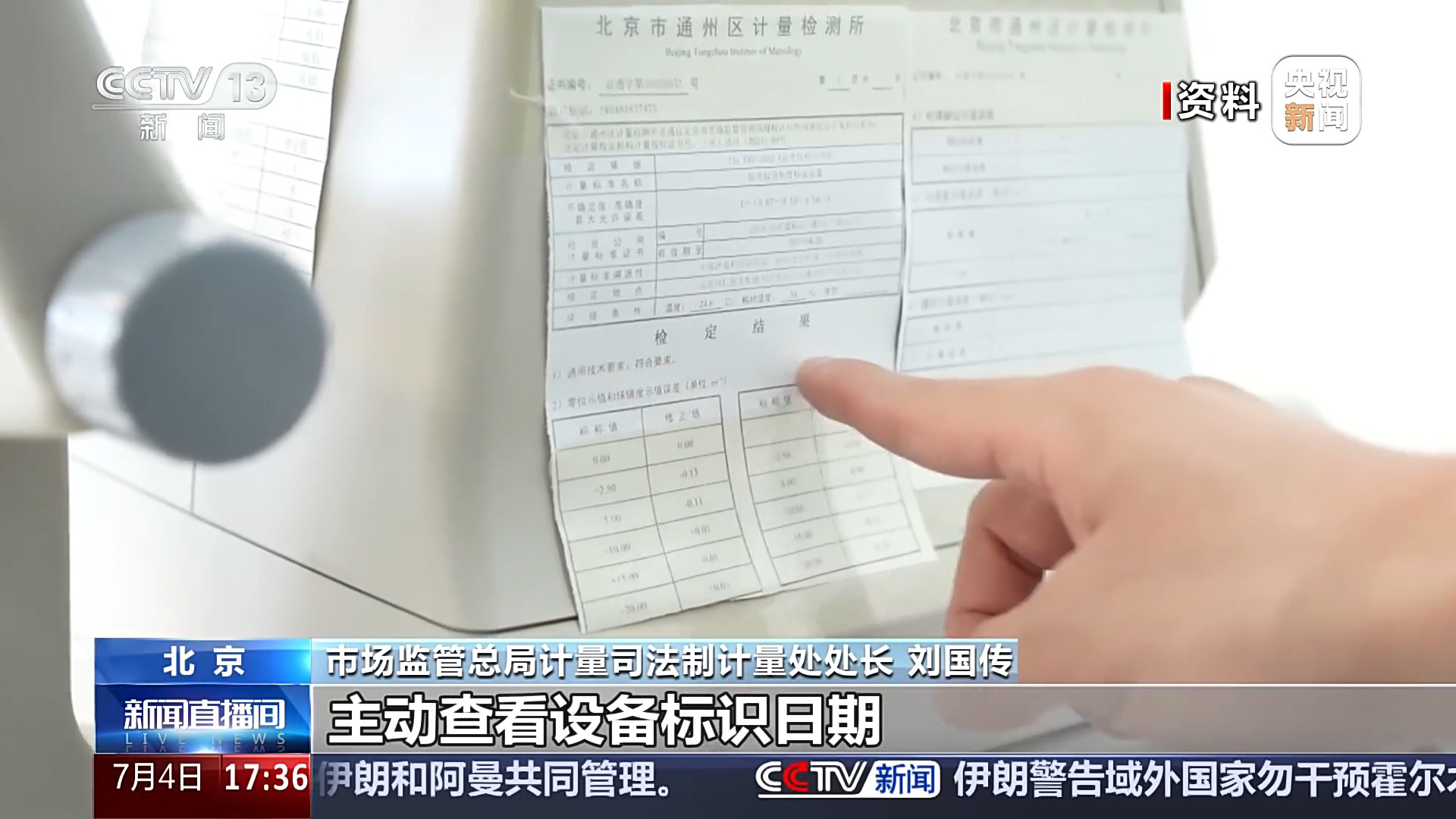
Liu Guochuan: Focimeters, optometers, etc. are all mandatory verification instruments. They must bear a valid mandatory verification label. Actively check the label date. If no label, blurred, or expired, decisively change shops and call 12315 to report.
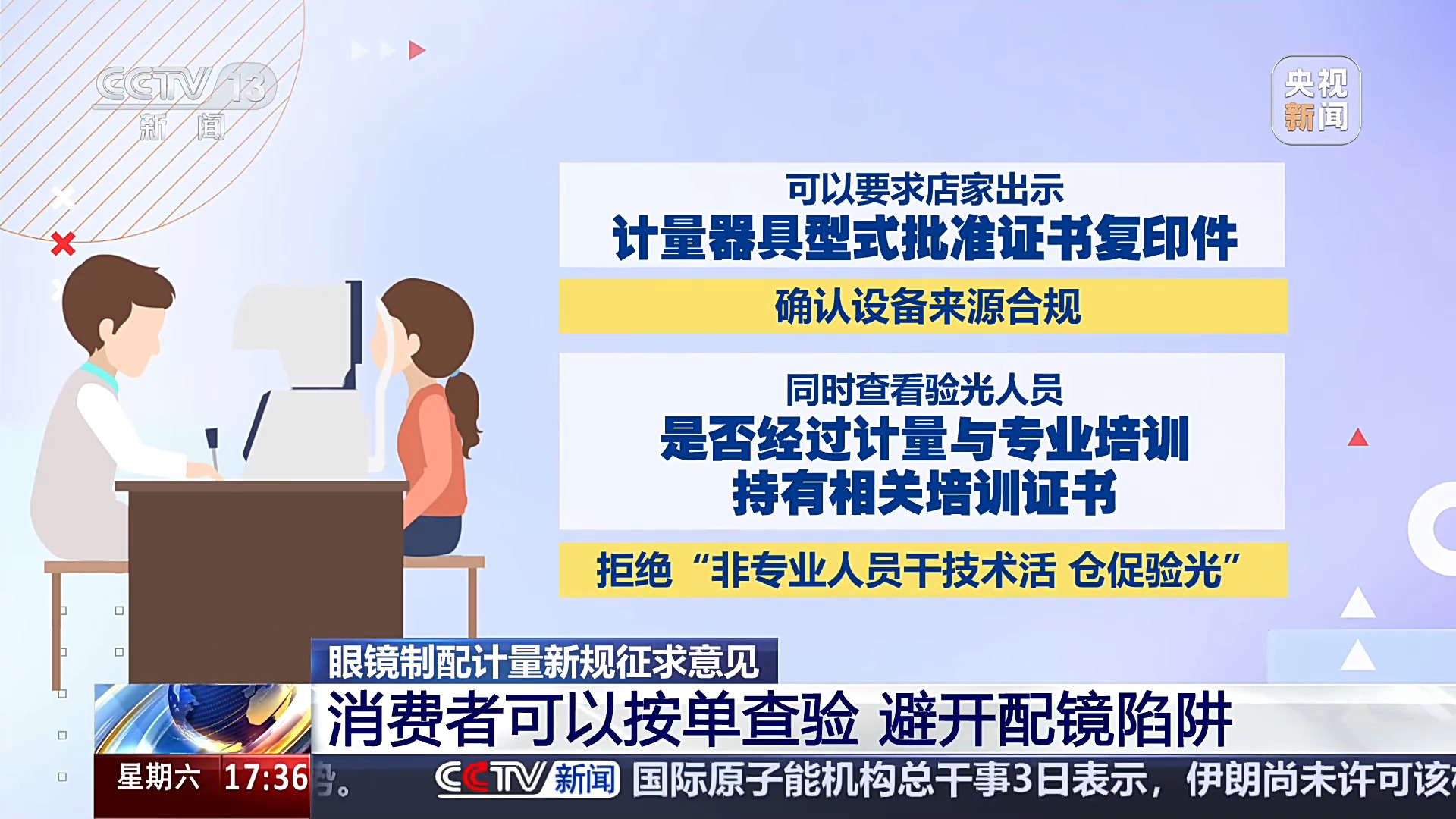
- You may ask the shop to present a copy of the metrology type approval certificate to confirm the equipment source is compliant.
- Also check whether the optometrist has undergone metrology and professional training and holds relevant training certificates, refuse “non-professionals doing technical work, hasty optometry”.
- After dispensing, be sure to keep the dispensing receipt, optometry data, and payment voucher. If you experience discomfort or degree deviation, use these to protect your rights according to law.
Reporters also learned that the draft regulation specifically includes the metrology complaint handling mechanism as a mandatory management system for operators, to smooth consumer rights protection channels.
The draft requires spectacle manufacturers to standardize the handling process, achieving “complaint entry, time-limited handling, feedback with results, binding constraints”, effectively solving the pain points of “difficult维权, slow complaint handling,虚处理”.

Liu Guochuan: Operators must proactively establish and fully disclose complaint acceptance mechanisms, and must not conceal or close complaint channels. Acceptance channels cover three scenarios: on-site complaints, telephone complaints, and online complaints – “anytime, anywhere”. At the same time, a complaint responsible person must be designated, so consumers know “who to contact, who to turn to”.
(CCTV reporter Li Jingjing)

Editor: Ai Jiumei


